
For applicants
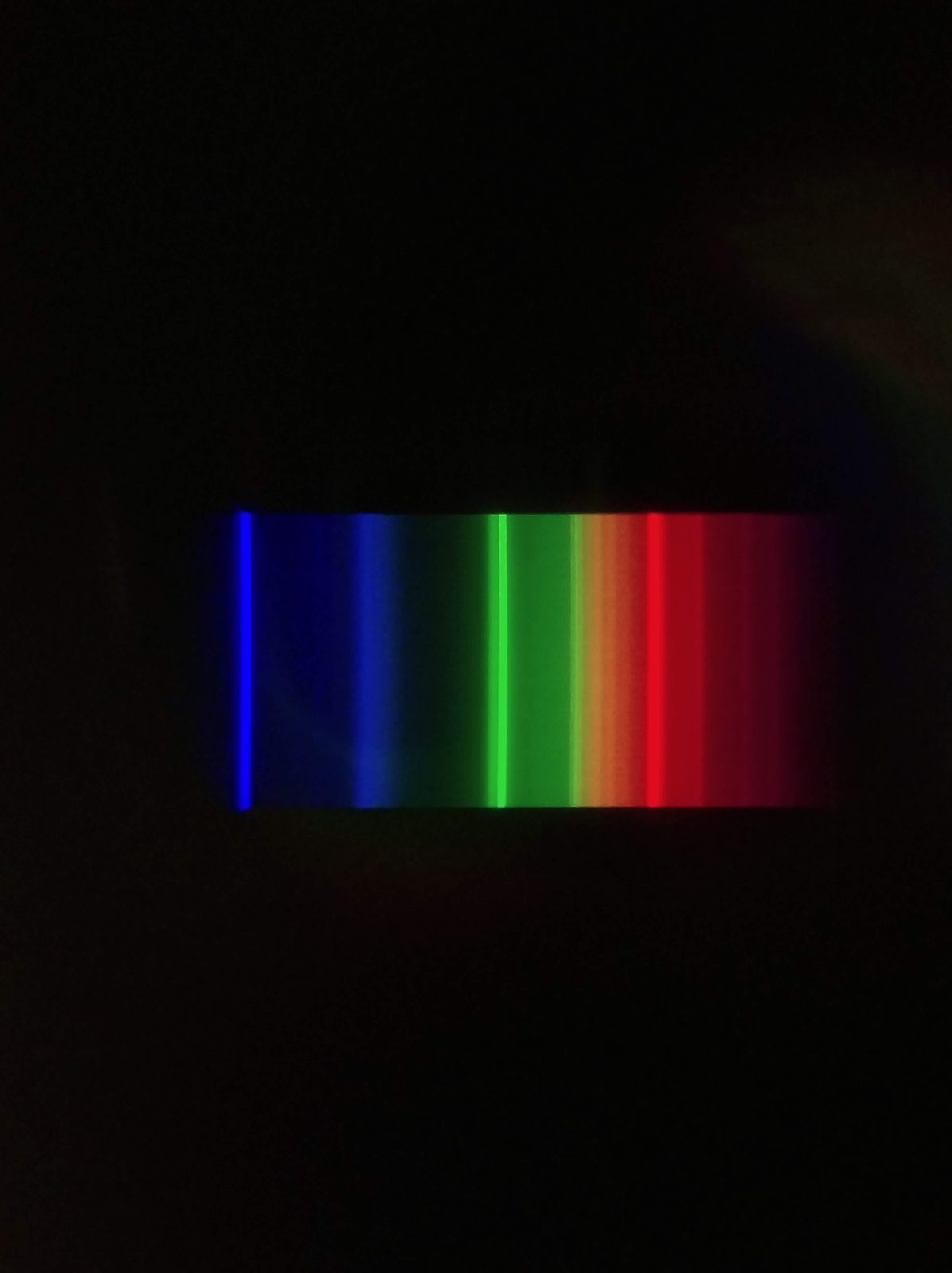
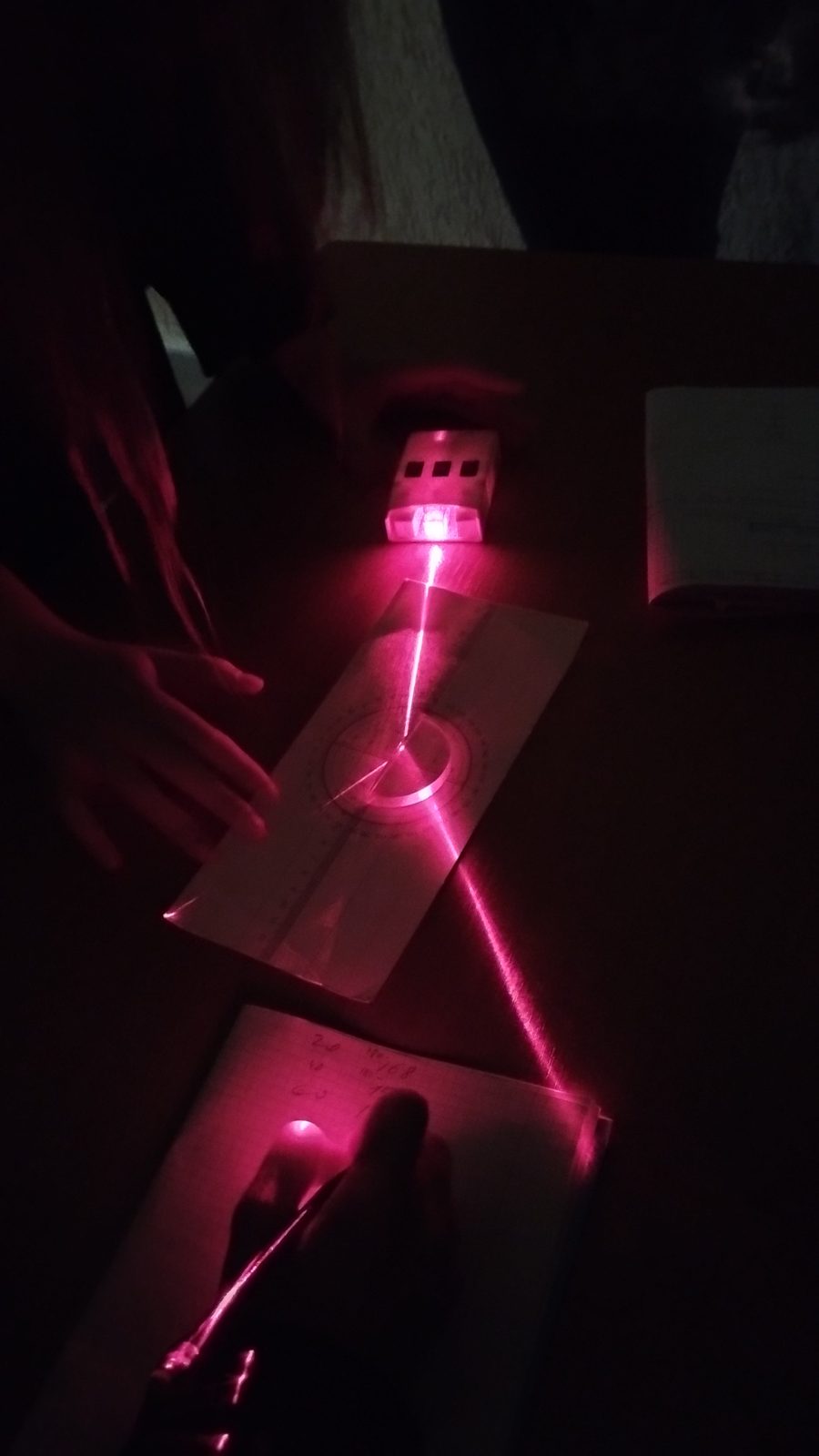
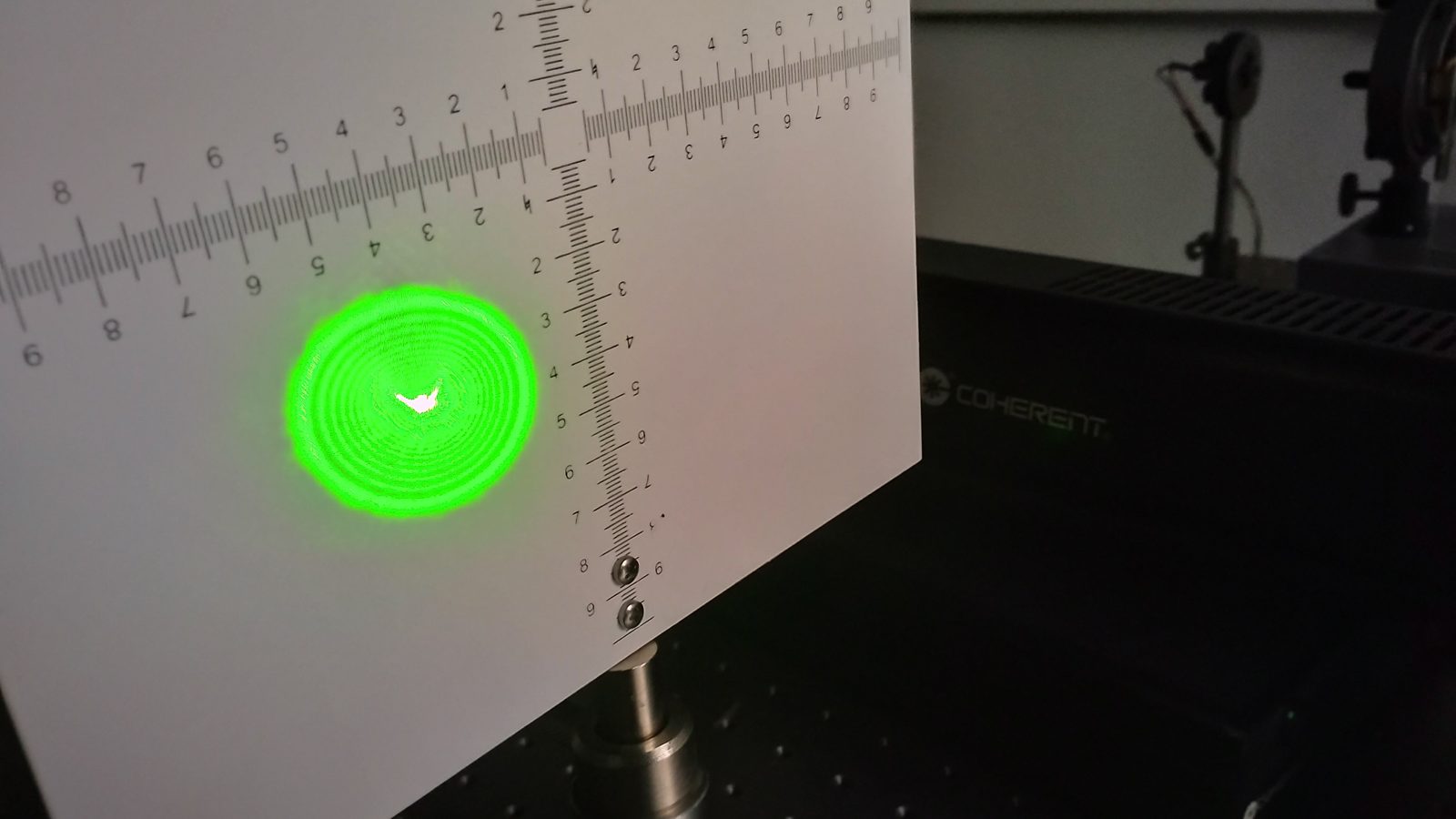
Drag the beam – and white light splits into a spectrum. This is real physics, not an animation. At the department you will do this with real lasers.
The optical fibre that delivered this text. The camera in your phone. A drone’s lidar. A thermal imager. The laser used for eye surgery. A spectrometer that tells you in a second what a substance is made of. All of this is optics. Not a textbook chapter, but the technology that communications, medicine, defence and energy stand on.
Figures are for 2025 – the 2026 admission campaign has already closed. Up-to-date numbers are published by the admissions office every year.
Optics is already around you
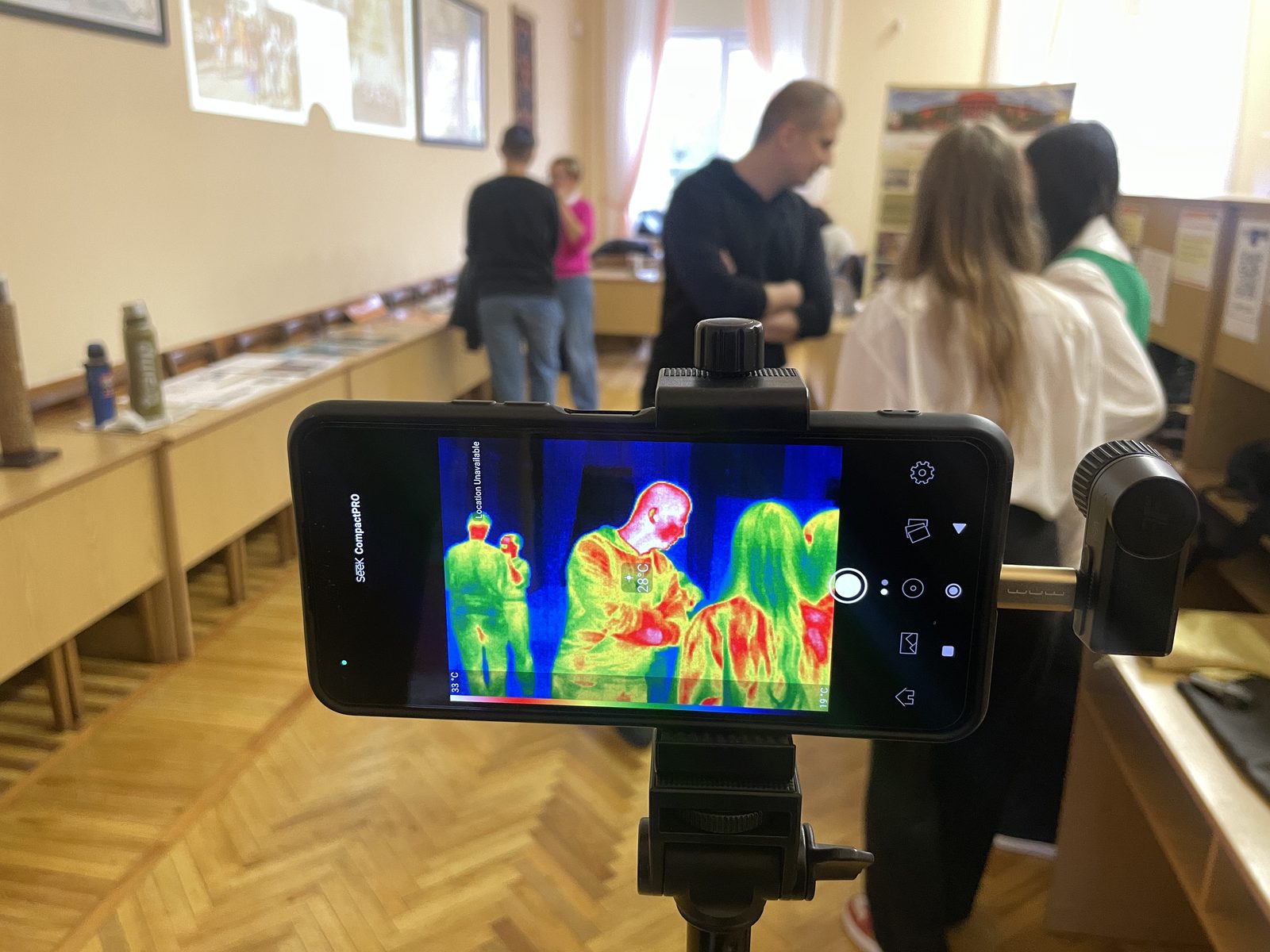
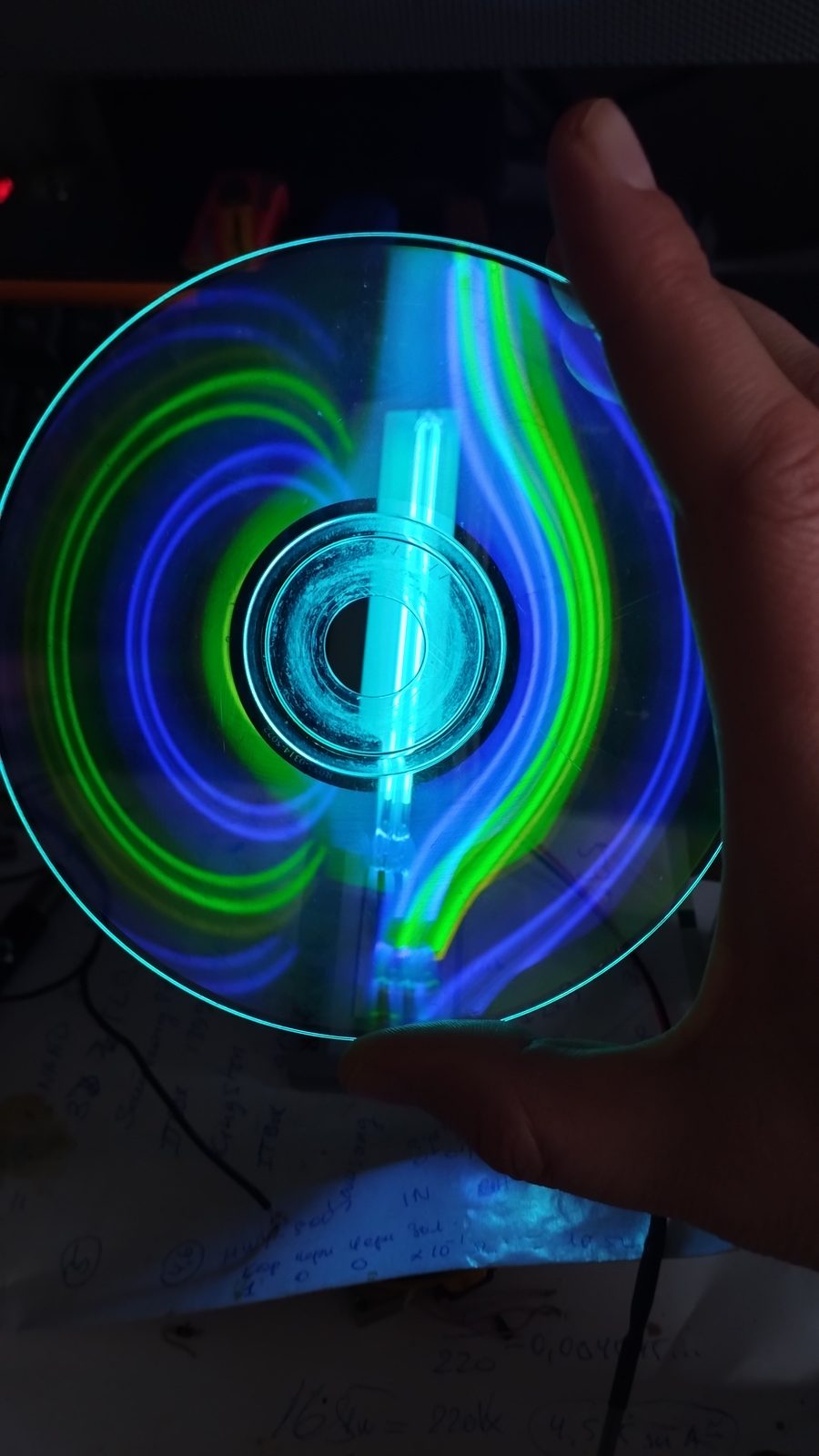
The eye sees only a narrow strip of light – technology works across the whole spectrum. Drag the slider and see who “lives” at each wavelength. Then tap the phone: there are already five optical devices in your pocket.
Step into the lab right now
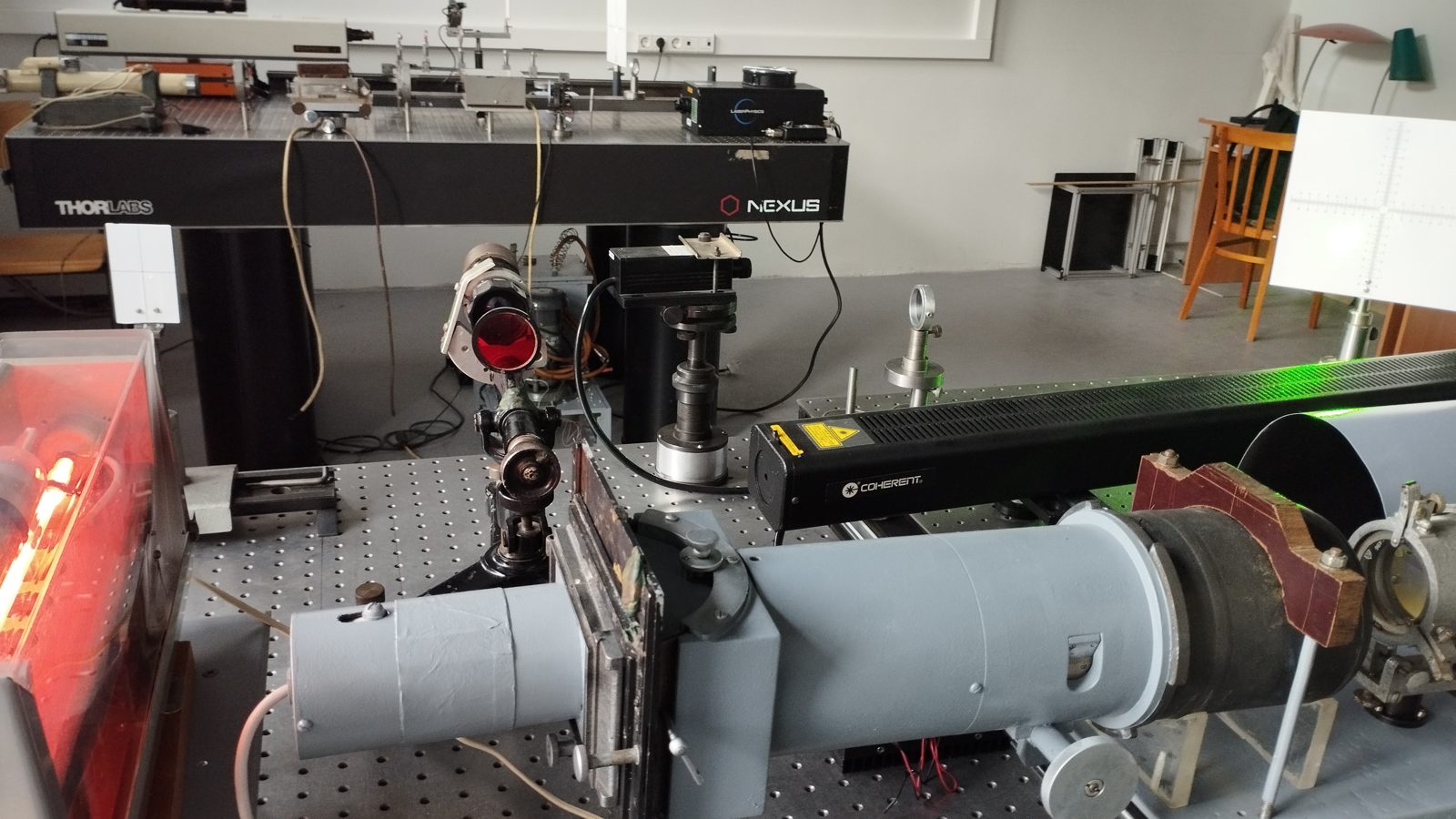
Six laboratories filmed in panorama: rotate the view, walk up to the instruments, tap the “i” circle – and read what each one does. Two instruments are ours, at the Centre for Microscopy and Laser Spectroscopy; four are at Chemnitz University of Technology, where students of our programme often go.
Take the virtual tour → · What is inside our labs
What you get
Who this is for
“Optics” is a separate admission track
Specialism E5 at the Faculty of Physics is split into five separate admission tracks, and Optics is one of them. You apply to it specifically and compete for its places – not for the faculty’s whole intake.
State-funded places on E5 bachelor programmes at the Faculty of Physics, 2025. You compete for the 15 Optics places – not for all 122.
How to apply
- Take the NMT testSpecialism – E5 “Physics and Astronomy”. We recommend physics as your fourth subject: it gives the highest coefficient for this programme.
- Apply via the applicant’s online accountSearch for “Optics” specifically – it is a separate entry, not “Faculty of Physics” in general. The Optics bachelor programme of the Department of Optics, Faculty of Physics, Taras Shevchenko National University of Kyiv.
- Follow the rankingsLists and deadlines are on the admissions site vstup.knu.ua.
- Meet the enrolment requirement on timeAnd in September you are already in the lab.
Current admission rules, deadlines and passing scores are on the admissions office site: vstup.knu.ua
Programme details, course syllabi and the curriculum are in the section Documentation.
What it costs
Zero hryvnias on a state-funded place. In 2025 the Optics bachelor programme had 15 state-funded places, and the Optics & Laser Physics master’s about 10. Plus the university’s academic scholarship.
Three more sources add to the scholarship:
- SPIE education grants – from $3,000 to $11,000. Our students have received them almost every year since 2008 – at least seventeen people. Andrii Maksymov, Dmytro Hnatiuk, Mykhailo Rakov, Olena Polianska, Mykola Biednov, Yevhen Shynkarenko, Anastasiia Mykytiuk, Kateryna Movlian, Andrii Shcherbakov, Ruslan Ryskulov, Mykyta Redkin, Anna Kosar, Arsenii Prymak, Oleksandra Ivakhno-Tsehelnyk, Anna Lisova, Serhii Derenko, Vlada Kyrisha. Some received the scholarship two or three times. Who and in which year →
- The Hrytseniuk & Melenevskyi Science and Technology Foundation scholarship – a dedicated programme for those admitted to Optics. Paid monthly from the second month of study.
- DAAD scholarships – jointly with Chemnitz University of Technology, including a paid two-month internship in Germany for master’s students.
Where you can go from here
Concrete routes our students actually take.
What you gain from the department doing science
Six research areas to choose your topic from → · About the SPO symposium
Optical technologies for defence and security
Thermal imagers, laser rangefinders, computer vision, drone optics – the department runs this area as a dedicated set of elective courses. Many of our alumni work in this field. What exactly is taught →
Who you’ll become
A physicist-optician has at least six different life scenarios. You can start choosing while you study.
Where our alumni already work
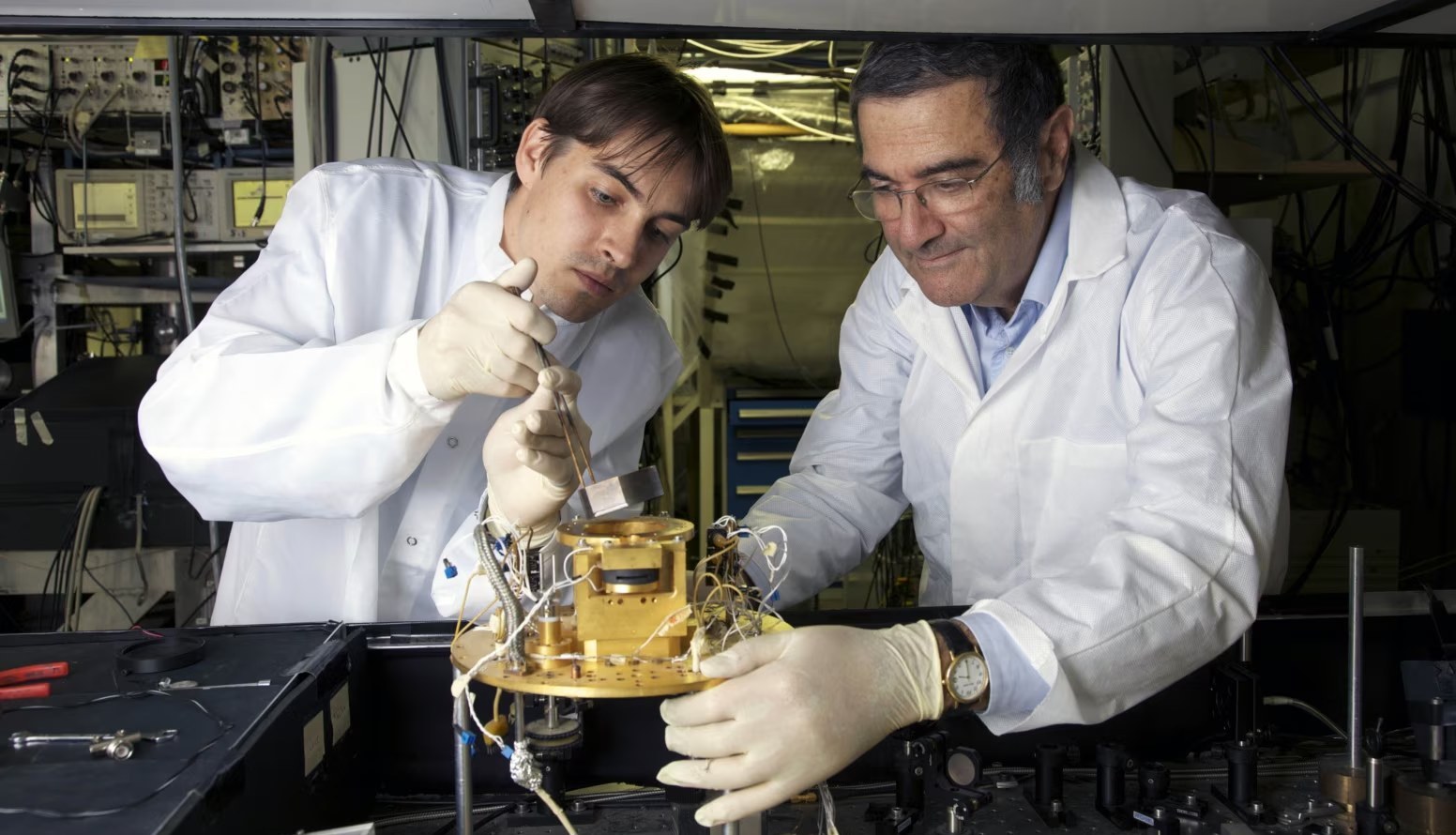
In research centres and corporations of the USA, Japan, Germany, Sweden, Switzerland, the UK and France – including the groups of Nobel laureates Serge Haroche and Konstantin Novoselov. One of them is Ihor Dotsenko (class of 2000): in Haroche’s group at the Kastler–Brossel Laboratory he worked directly with the Nobel-winning setup – in the photo below they are at that very apparatus. Today Dotsenko is a professor at the University of Toulouse. In Ukraine – at NAS institutes, universities, aerospace and defence companies, and in IT.
A bachelor’s degree is not the end. Next comes the Optics & Laser Physics master’s, then a PhD. Or industry – already with a master’s diploma.
The questions that really matter
 Is it hard to study if I’m not an olympiad winner?
Is it hard to study if I’m not an olympiad winner?
No. Olympiad experience helps in the first year, but later something else decides – persistence and curiosity. Experimental physics is not much like olympiad problems anyway: what matters is not guessing fast, but searching long and carefully for why the setup is showing nonsense.
Are there jobs in Ukraine after physics?
Are there jobs in Ukraine after physics?
Yes, and demand has grown. Optics is the base technology for fibre-optic communications, thermal imagers, lidars, laser rangefinding, optical sights and medical diagnostics. The programme was built for the specific needs of research institutions, universities, innovative companies and the defence industry.
What if I change my mind and want to go into IT?
What if I change my mind and want to go into IT?
The programme has a full programming block: C#, Java, Python, C++, image processing, machine learning. Some of our alumni go into Data Science and development – and their physics background helps rather than hinders there.
Do you help with internships abroad?
Do you help with internships abroad?
Yes – it is the department’s systematic work, not isolated cases. There are active agreements with Chemnitz University of Technology, European XFEL, Shizuoka University and Le Mans University. Since 2002 the department has run the Student Optical Society with chapters of SPIE and Optica, through which students receive grants for conferences and schools.
Is there a dormitory?
Is there a dormitory?
Yes, the university provides dormitory places for out-of-town students. Housing details are on the admissions office site.
What about deferral from mobilisation?
What about deferral from mobilisation?
Full-time students have a deferral from conscription – a standard procedure, the same for all state universities. The faculty arranges it after enrolment; you don’t need to do anything separately. Rules change from time to time, so check the current year’s procedure with the Faculty of Physics dean’s office.
What if I don’t make the state-funded list?
What if I don’t make the state-funded list?
Write to us. There is a fee-paying option, there are partner foundations’ scholarship programmes, and there is one more path: enrol in a related faculty programme and transfer to the Department of Optics later. We’ll look at your situation individually.
Come and see for yourself
The department announces open days and lab tours in the news.
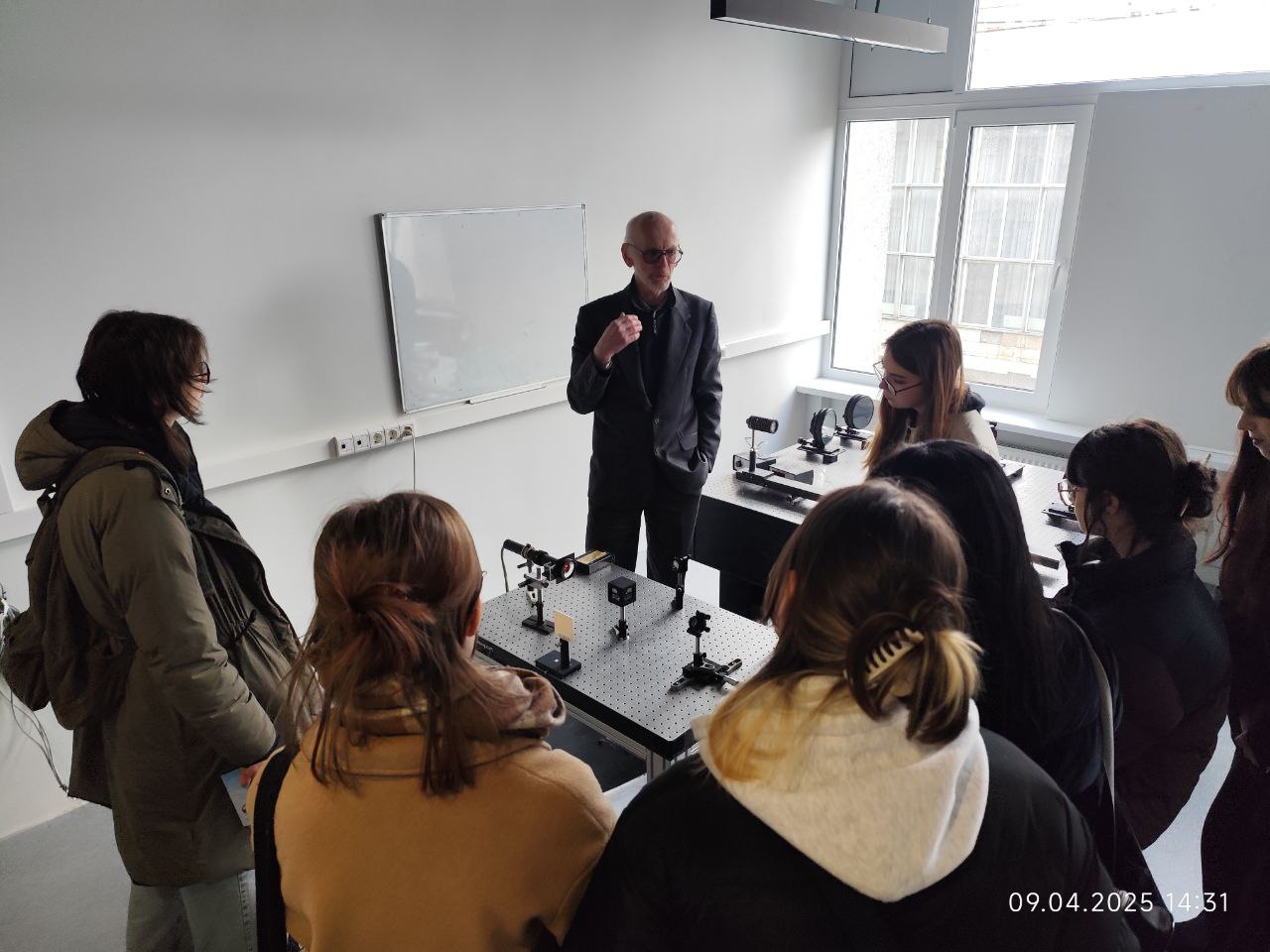
The best way to understand whether this is for you is to see the lab with your own eyes. In April 2025 over a hundred Kyiv lyceum students visited us: nine teaching and research laboratories, renewed optics and laser physics practicals, the electron microscopy lab. In November that year twenty-one school teams solved experimental puzzles at the Physics Quest.
Want to visit with your class – write to optics.phys@knu.ua or call +38 067 451 39 02. We’ll agree on a time: the buildings are big, so we’ll meet you and walk you in.
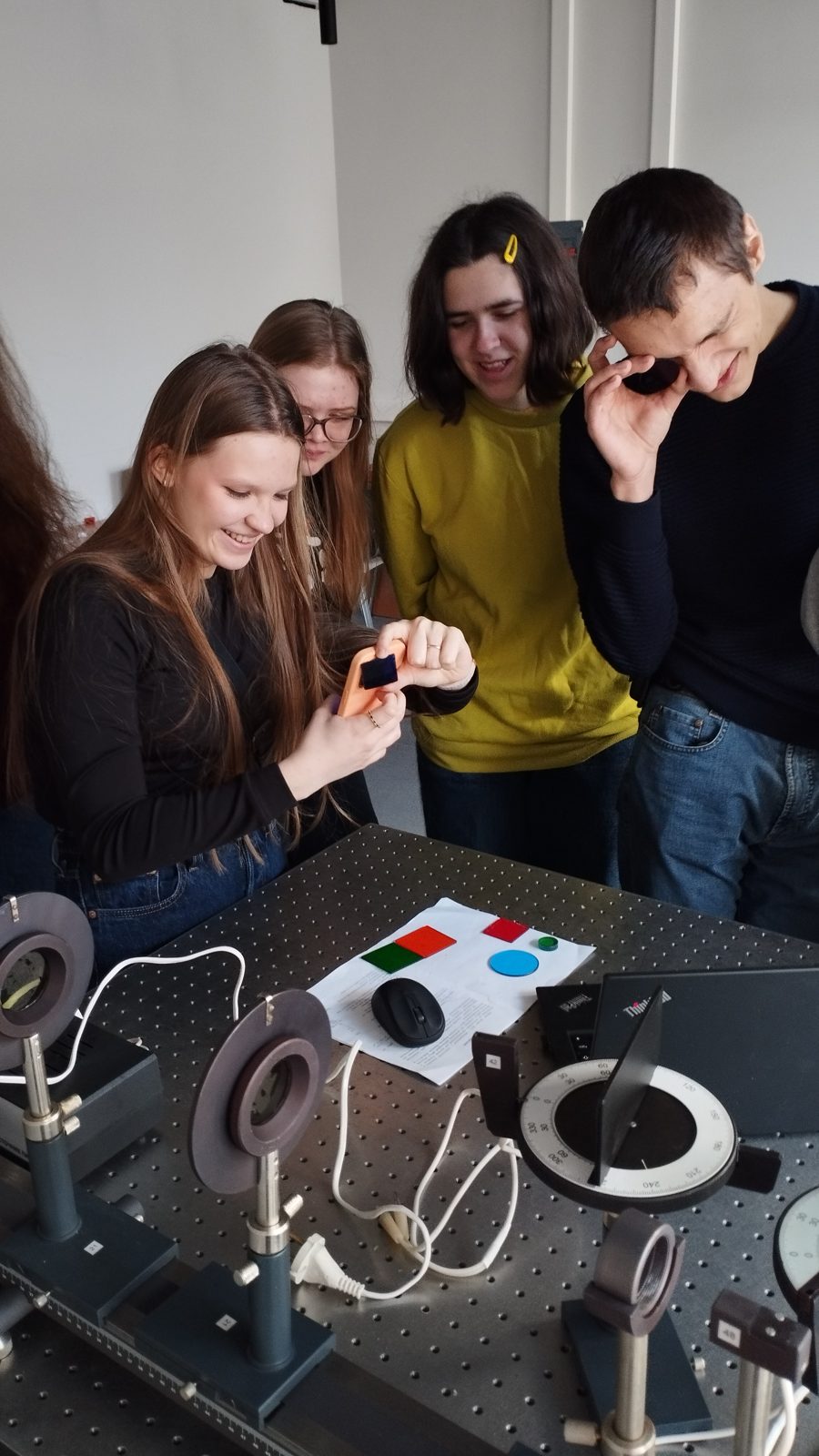
Student Optical Society of the department helps school students with Junior Academy of Sciences (MAN) projects. For four years running, most recently in 2019, it also ran an autumn school of optics – the last one drew a hundred and eighty pupils. The department intends to revive it: if you would like to be told the dates, write to us.
Can’t make the trip – visit our labs virtually: six instruments, panoramas, descriptions. It takes five minutes.
Write or call – we will reply personally.
optics.phys@knu.ua · +38 067 451 39 02
Kyiv, 4 Akademika Hlushkova Ave, Faculty of Physics
Ready to take control of light?
Come over – we’ll show you the labs live, introduce the teachers and answer everything.